Ecosomatic Connectedness and Cultural Regeneration: A Practice-Based Conversation
Raffaele Rufo (PhD), Jessica Cudney, Michelle Rozek
Abstract
This conversation engages the authors’ experience of ecosomatic practice to open up the door to speak of place, land, sensing, with-ness and spaciousness as multiple embodied relations that are not only individualized and present but also communal and cross-generational. Some of these words are more poetic than "ecosomatic connectedness". The key differentiating aspect considered here is the exploration of how these elements which are shared across the field of ecosomatics are connected with cultural regeneration, which then opens up the door to talk about civilization, de/anti/non-coloniality, roots, heritage, belonging, etc. In the conversation the authors play the reciprocal role as facilitators of each other’s felt-thinking challenging the standard academic model of answering the questions asked by the moderator individually as part of a panel. We believe that shared facilitation is a response to knowing that we are nature-body and a way to further the ways in which ecosomatics can help us come into resonance with one another.
Listen Up
Listen to the live conversation between Raffaele Rufo (PhD), Jessica Cudney and Michelle Rozek on “Ecosomatic Connectedness and Cultural Regeneration”.
Acknowledgements
This is the revised transcript of the Conversation presented at the EcoSomatics Conversation Series (#1): Environmental Awareness through Movement on 19 June 2024. The conversation was co-convened by Polly Hudson and Karen Wood and was hosted by the Centre for Interdisciplinary Performative Arts, Royal Birmingham Conservatoire (Birmingham City University), in collaboration with Birmingham Dance Network. The series webpage and audio recordings can be found here: https://www.researchcatalogue.net/view/3022557/3022558
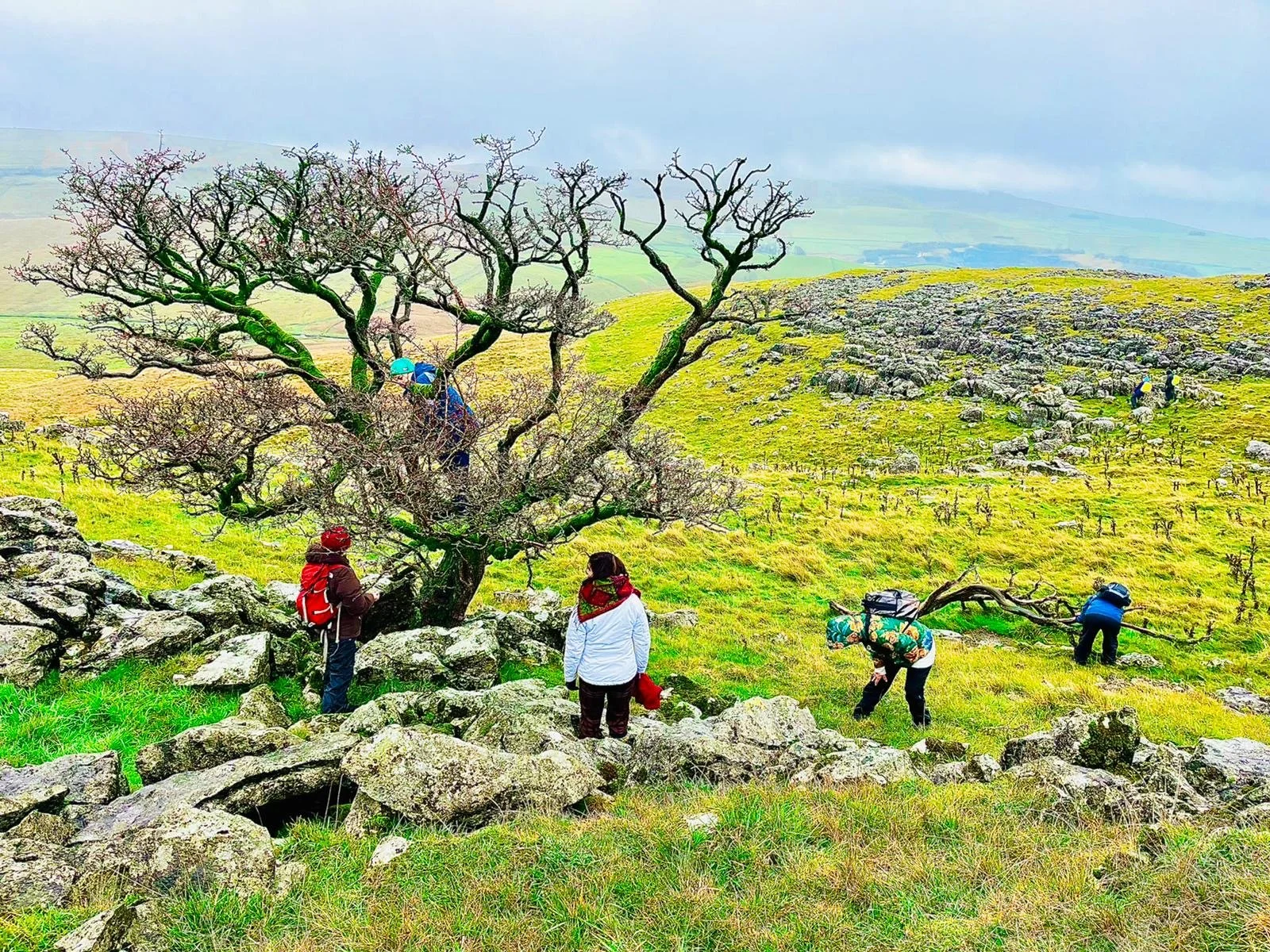

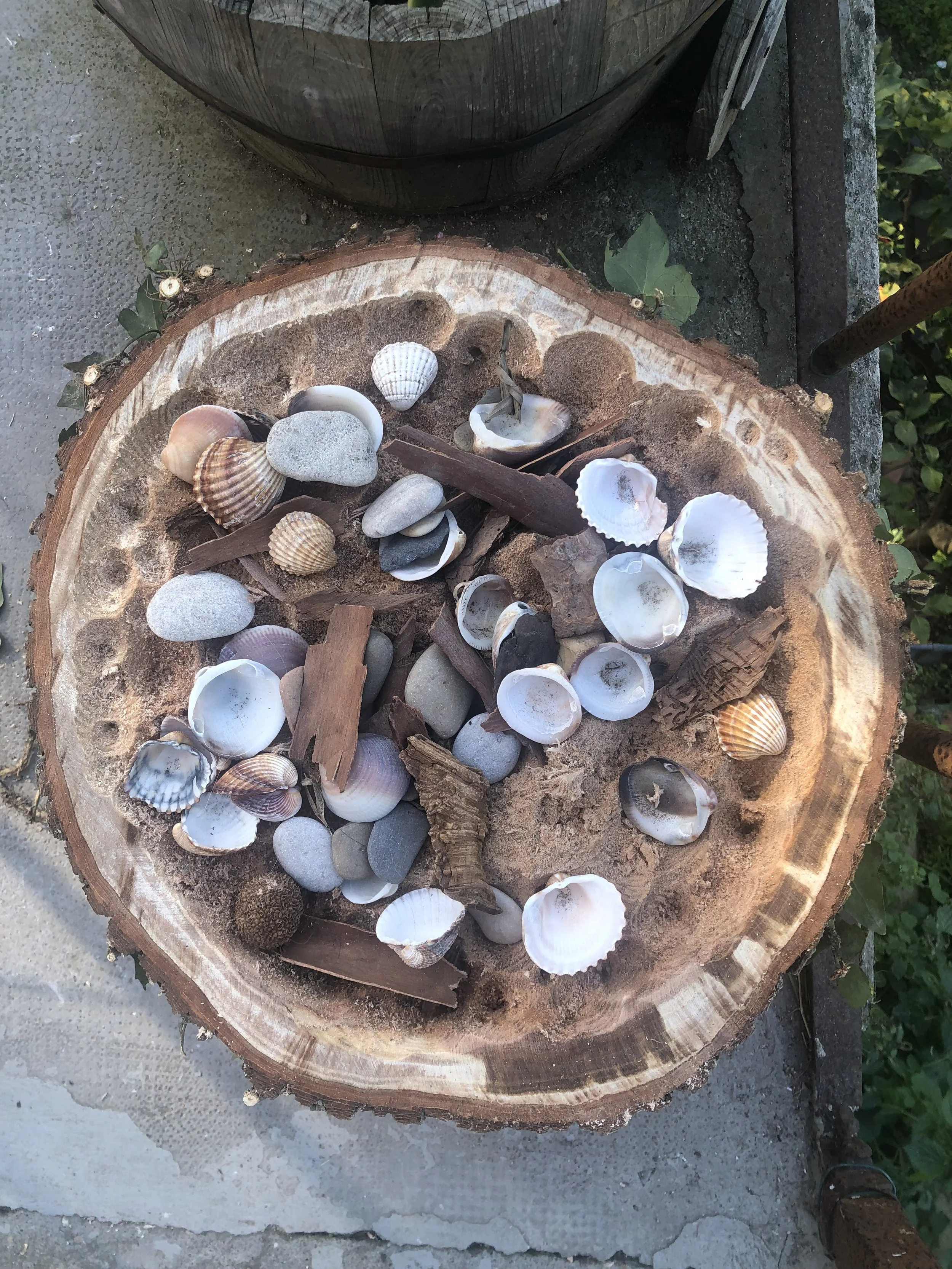
“How can ecosomatic connectedness work as that force in between that can bring these two kinds of relationships, human/non-human as a return to perception to re-contextualize and re-experience and re-somanticize the relation with environment and other humans with body, senses, movement, gesture, poetry? That's the kind of role that I see for ecosomatics for this age of ecological disasters.”
—Raffaele Rufo (PhD), Jessica Cudney and Michelle Rozek